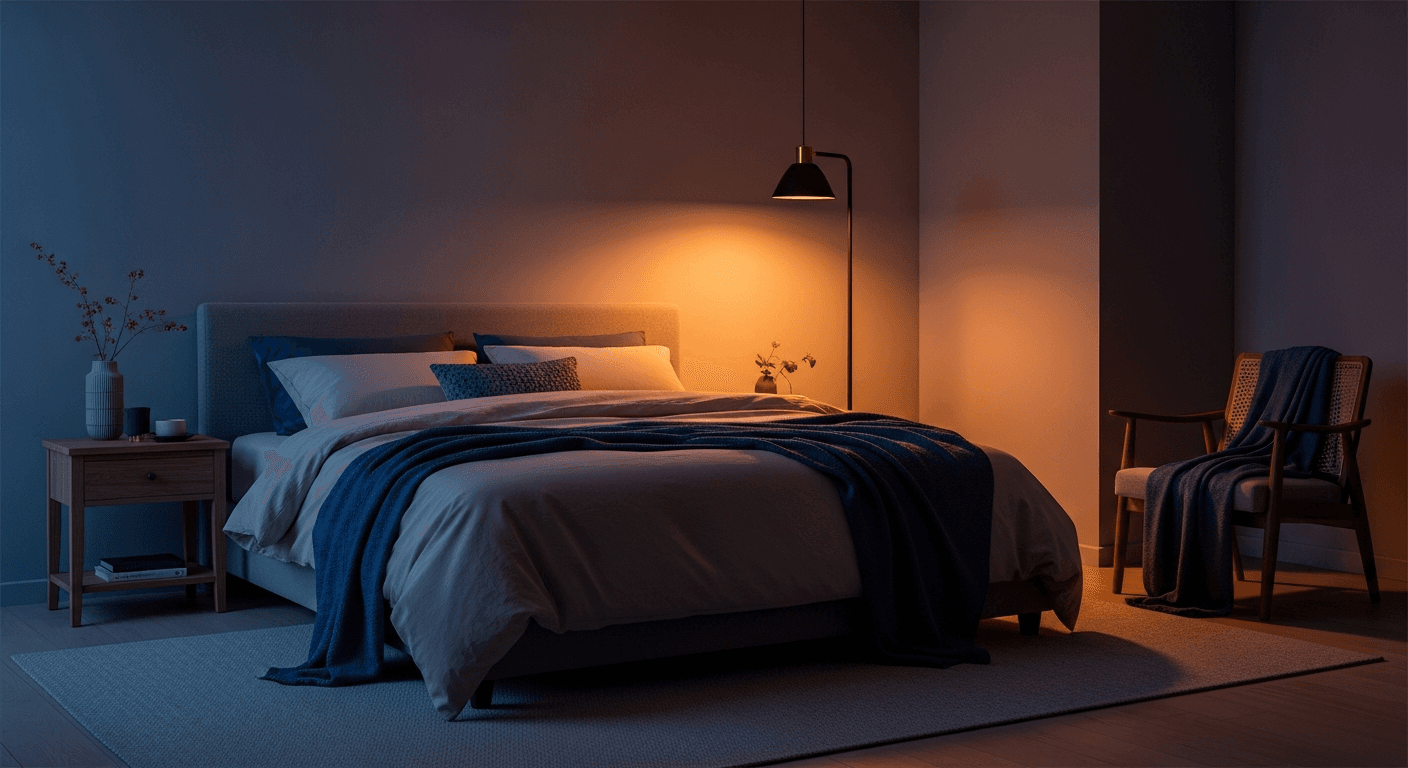
Getting enough sleep may be the single most important thing you can do for your body.
This is why we have put together the ultimate guide to creating your personal sleep cocoon that you can use to get to sleep faster, sleep better and maximize your health!
1. Sleep Apnea
Sleep Apnea is a sleep disorder that is characterized by repeated pauses in breathing that can last from a few seconds to minutes, occurring multiple times per hour.
Sleep apnea can have some serious health consequences if it is left untreated, including cardiovascular disease and sudden cardiac death.
So if you think you might be suffering from sleep apnea, it is wise to consult your doctor as soon as possible!
If you're looking for solutions to help with sleep apnea, we have written extensive guides on:
2. Restless Leg Syndrome
Restless Leg Syndrome (RLS) is a condition characterized by an irresistible urge to move the legs, typically in the evening.
People who have RLS often experience uncomfortable sensations in their legs that make them feel the need to move them constantly. This is particularly problematic during sleep, where moving around disrupts your sleep.
If you think you might have RLS, check out our complete guide to RLS here.
We have also written guides on products that can help with RLS:
3. Circadian Rhythm Disorder
Your circadian rhythm is essentially your body's internal clock. It operates on a 24-hour cycle and is responsible for regulating numerous biological processes, including sleep-wake cycles, hormone production, and body temperature.
Some people find that their internal clock is not properly synced with the external 24-hour cycle, leading to circadian rhythm sleep disorders.
Circadian Rhythm Disorders can impact your sleep in a number of ways. They can cause:
- Difficulty falling asleep at night
- Waking up in the middle of the night
- Excessive daytime sleepiness
- Poor sleep quality
If you think you might have a circadian rhythm disorder, you can check out our complete guide here.
4. Insomnia
Insomnia is a sleep disorder characterized by difficulty falling asleep, staying asleep, or getting enough sleep.
People with insomnia often experience the following issues:
- Lying awake for hours at night
- Waking up multiple times throughout the night
- Waking up early in the morning and being unable to return to sleep
- Experiencing a non-restorative sleep
If you think you might be suffering from insomnia, you can check out our guide here.
We have also written extensive guides on products that can help with insomnia:
5. Narcolepsy
Narcolepsy is a neurological disorder where the brain has trouble regulating when it is time to sleep and when it is time to be awake.
This leads to excessive daytime sleepiness and so-called "sleep attacks" where people suddenly fall asleep at random times throughout the day.
If you think you might be suffering from narcolepsy, you can check out our complete guide here.
19 Proven Solutions to Help You Sleep
Take Melatonin
Melatonin is a hormone produced by your body that signals your brain that it's time to go to sleep. If your body isn't producing enough melatonin, supplementation can help.
You can buy melatonin supplements at any health food store or drugstore.
Take a Bath or Shower Before Bed
A warm bath or shower can help you relax before bed. The warm water helps to relax your muscles, and it can lower your core body temperature when you get out, which signals your body that it's time to sleep.
Avoid Caffeine
Caffeine is a stimulant that can keep you awake. Try to avoid caffeine at least 6 hours before bedtime.
Avoid Alcohol
Alcohol can disrupt sleep quality by preventing deep sleep and waking you up during the night. It's best to avoid alcohol entirely or drink only in moderation at least 3-4 hours before bedtime.
Avoid Large Meals Before Bed
Eating a large meal before bed can make it hard to fall asleep. Instead, opt for a light snack if you're hungry.
Create a Sleep Schedule
Going to bed and waking up at the same time every day helps regulate your circadian rhythm. This will make it easier for you to fall asleep at night and wake up in the morning.
Exercise Regularly
Regular exercise can help improve sleep quality. However, try to exercise at least 3 hours before bedtime, as exercising too close to bedtime can be stimulating.
Get Natural Sunlight During the Day
Exposure to natural sunlight during the day helps regulate your circadian rhythm and can improve sleep at night.
Avoid Screens Before Bed
The blue light from screens can suppress melatonin production, making it harder to fall asleep. Try to avoid screens for at least an hour before bedtime.
Keep Your Bedroom Cool
A cool bedroom is conducive to sleep. The ideal temperature for sleep is between 60-67 degrees Fahrenheit.
Darken Your Bedroom
A dark bedroom is important for sleep. Use blackout curtains or an eye mask to block out light.
Use White Noise
White noise can help mask disruptive sounds and create a calming environment. You can use a white noise machine or app.
Try Relaxation Techniques
Relaxation techniques like deep breathing, meditation, or progressive muscle relaxation can help calm your mind and prepare your body for sleep.
Keep a Sleep Diary
Keep track of your sleep patterns to identify what helps or hurts your sleep. This can help you figure out what works best for you.
Use the Right Pillow and Mattress
Your pillow and mattress should provide good support for your head and body. If they're not comfortable, it could be affecting your sleep.
Avoid Long Naps
Long naps during the day can interfere with nighttime sleep. If you need to nap, keep it short (20-30 minutes) and schedule it for early afternoon.
Try Herbal Tea
Herbal teas like chamomile, valerian root, and passionflower have been shown to help with sleep. Drink a cup about an hour before bedtime.
Avoid Clock Watching
Watching the clock when you're trying to sleep can create anxiety. Turn your clock around so you can't see it.
Use Weighted Blankets
Weighted blankets have been shown to help reduce anxiety and improve sleep quality. The pressure from the blanket can help calm your nervous system.
Seek Help from a Sleep Specialist
If you've tried these solutions and still can't sleep, it might be time to see a sleep specialist. They can diagnose any underlying sleep disorders and recommend appropriate treatment.

Article by
Mark HansenMark Hansen is a passionate sleep enthusiast and the founder of 40Winks.io, a popular blog dedicated to promoting healthy sleep habits and improving sleep quality. With years of experience in the healthcare industry, Mark has become an expert on the science behind sleep and its impact on overall health and wellness. He believes that everyone deserves a good night's sleep and works tirelessly to provide his readers with practical tips and advice for achieving optimal sleep. Mark's commitment to spreading awareness about the importance of sleep has earned him a loyal following and made 40Winks.io a go-to resource for anyone looking to improve their sleep quality.
Found this helpful?
Get more sleep tips and product reviews delivered to your inbox.
Subscribe to 40 WinksRelated reading

9 Evidence-Based Ways to Reduce Inflammation Risk
Replace inflammation hacks with nine practical steps covering diagnosis, food, activity, metabolic health, sleep, smoke, alcohol, oral care and stress.
Chronic Insomnia Treatment: CBT-I, Sleep Aids & Safety
CBT-I is usually the first-line treatment for chronic insomnia. Compare behavioral treatment, prescription medicines, OTC aids, melatonin, and supplements.
REM Sleep Behavior Disorder: Symptoms, Safety & Treatment
Dream enactment can cause injury and may need neurological follow-up. Learn the signs of RBD, bedroom safety steps, diagnosis, and current treatments.