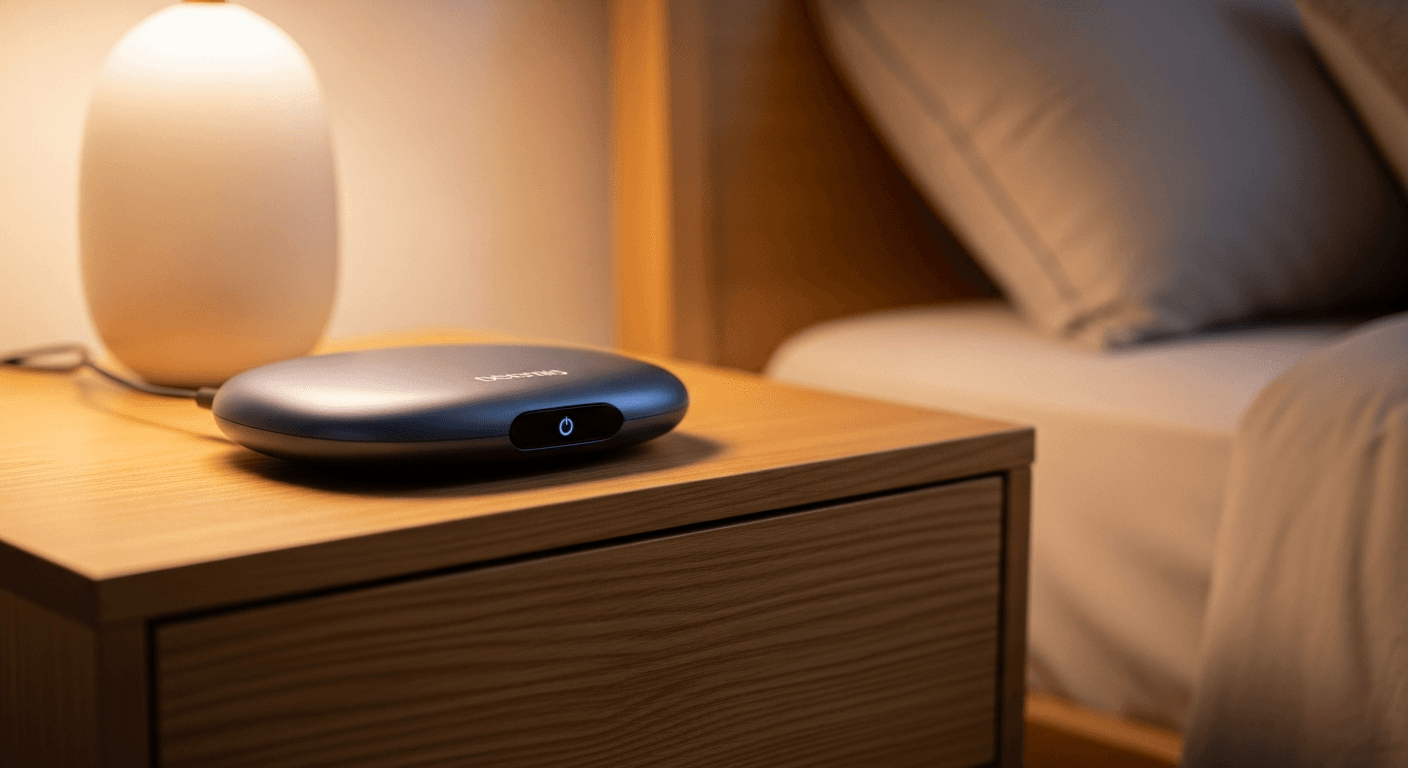
PEMF has been studied for many conditions, but only specific devices are cleared or approved for specific medical uses. It is inaccurate to say that PEMF generally “treats” cancer, multiple sclerosis, stroke, neuropathy, insomnia, inflammation, or chronic pain. Evidence from one device and condition does not transfer to every electromagnetic-field product.
This page maps the evidence without turning research interest into a treatment promise. For the technology and regulatory background, start with what PEMF therapy is.
Established device-specific uses
Noninvasive bone-growth stimulation
The FDA classifies noninvasive bone-growth stimulators as prescription devices that use electrical, magnetic, or ultrasound fields. Their labeled uses can include selected established nonunions, failed fusions, or use alongside primary treatment for fracture fixation and spinal fusion. The indication, application schedule, and patient selection vary by model.
These are not general wellness mats. A prescription device used for a defined orthopedic indication does not prove that another PEMF system accelerates every type of healing.
Specific pain indications
The FDA also has a Class II category for nonthermal pulsed electromagnetic energy devices cleared for over-the-counter pain treatment. The official classification describes pulsed shortwave energy at 13.56 or 27.12 MHz and warns against applying it directly over active implants.
Read the exact 510(k) indication. “Cleared for pain” may still be limited by body area, condition, duration, or device design.
Osteoarthritis and musculoskeletal pain
Osteoarthritis is one of the most researched consumer-facing PEMF uses, but reviews do not agree uniformly. Some meta-analyses report short-term improvements in pain or function; others find little or no advantage for certain outcomes.
An umbrella review of systematic reviews found the most agreement for short-term pain reduction but described small samples, different devices and protocols, and mostly low-to-medium quality evidence. The practical conclusion is not “PEMF treats arthritis.” It is that a clinician may discuss a defined device as an adjunct after diagnosis, with realistic expectations.
Chronic pain
“Chronic pain” includes many disorders with different causes. Studies of knee osteoarthritis, low-back pain, postoperative pain, or plantar fasciitis cannot be pooled into proof that one mat treats all chronic pain.
Persistent or worsening pain should be evaluated before adding a device. Red flags such as new weakness, loss of bladder or bowel control, fever, unexplained weight loss, major trauma, chest pain, or a hot swollen joint need prompt medical attention.
Neuropathy
Small studies have explored electromagnetic stimulation for diabetic neuropathy and other nerve symptoms, but protocols and results vary. Neuropathy can signal diabetes, medication toxicity, vitamin deficiency, nerve compression, autoimmune disease, infection, or another cause requiring specific treatment.
Do not use PEMF to delay assessment of progressive numbness, weakness, balance problems, foot wounds, or loss of protective sensation. Combined heat can be especially hazardous when a person cannot feel temperature normally.
Wound healing
Laboratory and clinical research has examined electromagnetic fields in tissue repair, but a consumer mat should not be placed over an open, infected, bleeding, or postoperative wound unless its labeling and the treating team explicitly allow it. Wound care depends on blood supply, pressure relief, infection control, moisture management, nutrition, and the underlying disease.
Multiple sclerosis
Research interest and small studies do not establish PEMF as a disease-modifying treatment for multiple sclerosis. It has not been shown to replace FDA-approved MS therapies, rehabilitation, or symptom-specific care. Claims that a wellness device reduces central nervous system inflammation or repairs myelin require product-matched controlled evidence.
Stroke recovery
Specialized magnetic stimulation, including transcranial magnetic stimulation, has been investigated in neurorehabilitation. TMS is not interchangeable with a low-intensity PEMF mat. Stroke rehabilitation should be directed by a qualified team and may include physical, occupational, speech, and medical treatment.
New facial droop, arm weakness, speech difficulty, severe imbalance, or sudden vision loss is an emergency. Do not try any home device first.
Cancer
PEMF should not be presented as a cancer treatment. Cell and animal experiments or early exploratory research do not prove that a consumer device shrinks tumors, spares healthy cells, improves survival, or makes standard treatment more effective.
The FTC's health-products guidance warns that even qualified traditional or preliminary claims can mislead people with serious diseases and lead them to forgo effective care. Anyone receiving cancer treatment should ask the oncology team before using electromagnetic or heating devices.
Sleep, anxiety, depression, and energy
General wellness products often assign frequencies to sleep, calm, focus, or energy. High-quality product-specific evidence is not sufficient to treat chronic insomnia, anxiety disorders, or depression with a generic PEMF mat. A relaxing session—especially on a heated mat—cannot identify which feature produced the experience.
CBT-I is first-line treatment for chronic insomnia. Mental health symptoms deserve established care, and suicidal thoughts or a mental health crisis require urgent help.
How to check a condition claim
- Get the exact manufacturer and model.
- Ask for the FDA decision number if clearance or approval is claimed.
- Compare the official intended use with the disease named in the advertisement.
- Check whether human trials tested that exact device, signal, population, and outcome.
- Look for replication by independent researchers and adequate follow-up.
- Reject evidence based only on cells, animals, testimonials, or a different technology.
Review our PEMF device verification guide and PEMF safety precautions before considering a purchase.
Bottom line
PEMF has legitimate device-specific uses and promising research in selected musculoskeletal areas. That is very different from saying PEMF treats a catalog of serious diseases. Match the exact product to its exact indication and never substitute a consumer device for diagnosis or established care.
Found this helpful?
Get more sleep tips and product reviews delivered to your inbox.
Subscribe to 40 WinksRelated reading
How to Choose the Best Grounding Sheets for You
A comprehensive guide to grounding sheets — what to look for, how they work, and our top picks for every budget.

Grounding Mat Reviews: Do They Actually Work?
We tested the top grounding mats on the market. Here's what the science says and which ones are worth your money.

How to Test Your Earthing Sheet Is Actually Working
Don't just trust the marketing — here's how to verify your grounding sheet is properly connected and conducting.