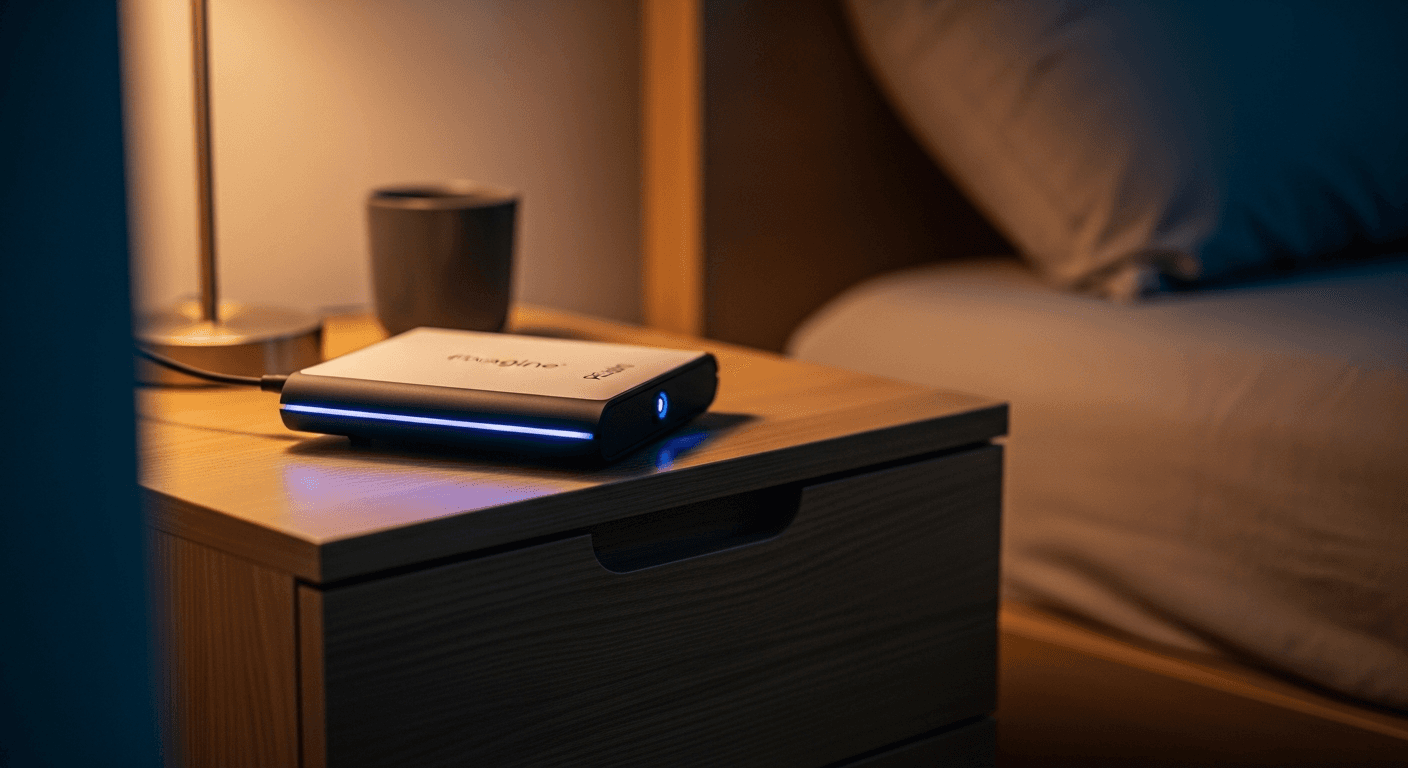
PEMF is often well tolerated in short clinical studies, but “noninvasive” does not mean risk-free or appropriate for everyone. Reported effects can include temporary discomfort, headache, dizziness, fatigue, tingling, skin irritation, or symptom flare. The more important concern is interaction with active implanted electronics and using an unverified product in place of effective care.
Safety depends on the exact device, signal, treatment area, health condition, and exposure schedule. Follow the product's official labeling rather than a generic assurance that all PEMF is safe.
What studies report
Trials of low-intensity PEMF for musculoskeletal conditions often report few serious device-related adverse events, but many are small and short. A lack of reported harm in a limited trial does not establish long-term safety for every device, intensity, body area, or population.
A meta-analysis of osteoarthritis trials found no significant difference in adverse events between PEMF and sham groups, yet only three included trials reported adverse-event data. That is reassuring within those protocols, not proof that unrestricted home use is harmless.
Possible short-term side effects
- headache or lightheadedness;
- fatigue or sleepiness;
- temporary increase in pain or muscle soreness;
- tingling, twitching, or uncomfortable stimulation;
- skin irritation from applicators, adhesives, pressure, or heat;
- nausea or a generally unwell feeling;
- sleep disruption when used near bedtime.
These symptoms are nonspecific and can have other causes. Stop the session, disconnect the device, and seek advice if symptoms are severe, persistent, or recur with use. Do not accept worsening symptoms as a required “detox” or “healing crisis.”
Active implanted medical devices
Electromagnetic fields may interfere with pacemakers, implantable cardioverter-defibrillators, neurostimulators, cochlear implants, insulin pumps, implanted medication pumps, and other active electronics. The FDA's classification for certain over-the-counter nonthermal pulsed electromagnetic pain devices says they should not be applied directly over active implantables.
Do not guess based on distance or low intensity. Ask the implant manufacturer and the clinician managing it about the exact PEMF model. A seller's generic customer-service answer is not enough.
Pregnancy and children
Home PEMF products commonly exclude pregnancy because adequate safety data are lacking. Children also require caution, particularly around growth plates and when the device is marketed for a medical condition. Use only when the device's labeling permits it and an appropriate clinician recommends it.
Other reasons to seek advice first
- epilepsy or uncontrolled seizures;
- active cancer treatment;
- recent surgery, fracture, or implanted orthopedic hardware;
- active bleeding, a bleeding disorder, or anticoagulant treatment;
- fever, acute infection, or unexplained swelling;
- reduced sensation that could hide heat or pressure injury;
- severe cardiovascular disease;
- use near the head, eyes, chest, or reproductive organs when not specifically permitted.
Metal orthopedic implants are not the same as active electronics, but compatibility still depends on the product and treatment area. Ask before use rather than assuming all metal is prohibited or all passive implants are safe.
Combined heat creates separate risks
Many home mats combine PEMF with infrared heat, heated stones, red light, or vibration. Burns, dehydration, blood-pressure changes, and skin injury may come from the heat rather than the electromagnetic field. People with neuropathy, impaired circulation, reduced sensation, or difficulty moving off the mat need particular caution.
Evaluate every feature separately. Turning down the PEMF setting does not reduce a heating hazard.
Medication interactions
PEMF does not have a standard list of drug interactions like a medicine, but the condition being treated, implanted equipment, sedation, bleeding risk, and combined heat may matter. Never reduce pain medicine, anticoagulants, antiseizure treatment, psychiatric medicine, or other prescribed care because a device seller suggests PEMF makes it unnecessary.
How to reduce avoidable risk
- Verify the exact model, manufacturer, and regulatory status.
- Read the manual, contraindications, warnings, and cleaning instructions.
- Inspect cables, coils, power supply, covers, and heat controls before use.
- Begin with a standard low setting and short session allowed by the manual.
- Do not stack sessions or combine devices to chase a stronger effect.
- Keep a record of settings, duration, symptoms, and other treatment changes.
- Stop if the device overheats, smells, arcs, produces unexpected shocks, or causes significant symptoms.
When to get urgent help
Seek urgent medical care for chest pain, fainting, new weakness, severe shortness of breath, a seizure, a serious burn, signs of implant malfunction, or any sudden neurological symptom. Report suspected device problems to the manufacturer and, where appropriate, through the FDA's medical-device reporting system.
Bottom line
Short, device-specific PEMF protocols often appear tolerable, but the evidence cannot guarantee safety across all products and users. Active implants, pregnancy, combined heat, serious illness, and unsupported treatment claims are reasons for extra caution. The exact manual and qualified medical advice outrank generic online safety lists.
Found this helpful?
Get more sleep tips and product reviews delivered to your inbox.
Subscribe to 40 WinksRelated reading
PEMF FAQ: Evidence, FDA Status, Safety & Cost
Straight answers about PEMF evidence, FDA clearance, pain and sleep claims, frequency, session length, implants, insurance, cost, and misleading marketing.
How to Choose a PEMF Device Without Falling for Hype
Compare PEMF devices by verified intended use, FDA status, signal specifications, product-matched evidence, safety labeling, trial terms, and warranty.
PEMF Frequencies Explained: Why Hertz Is Not a Prescription
Frequency is only one PEMF parameter. Learn how intensity, waveform, duty cycle, coils, and exposure time affect a protocol—and why benefit charts mislead.