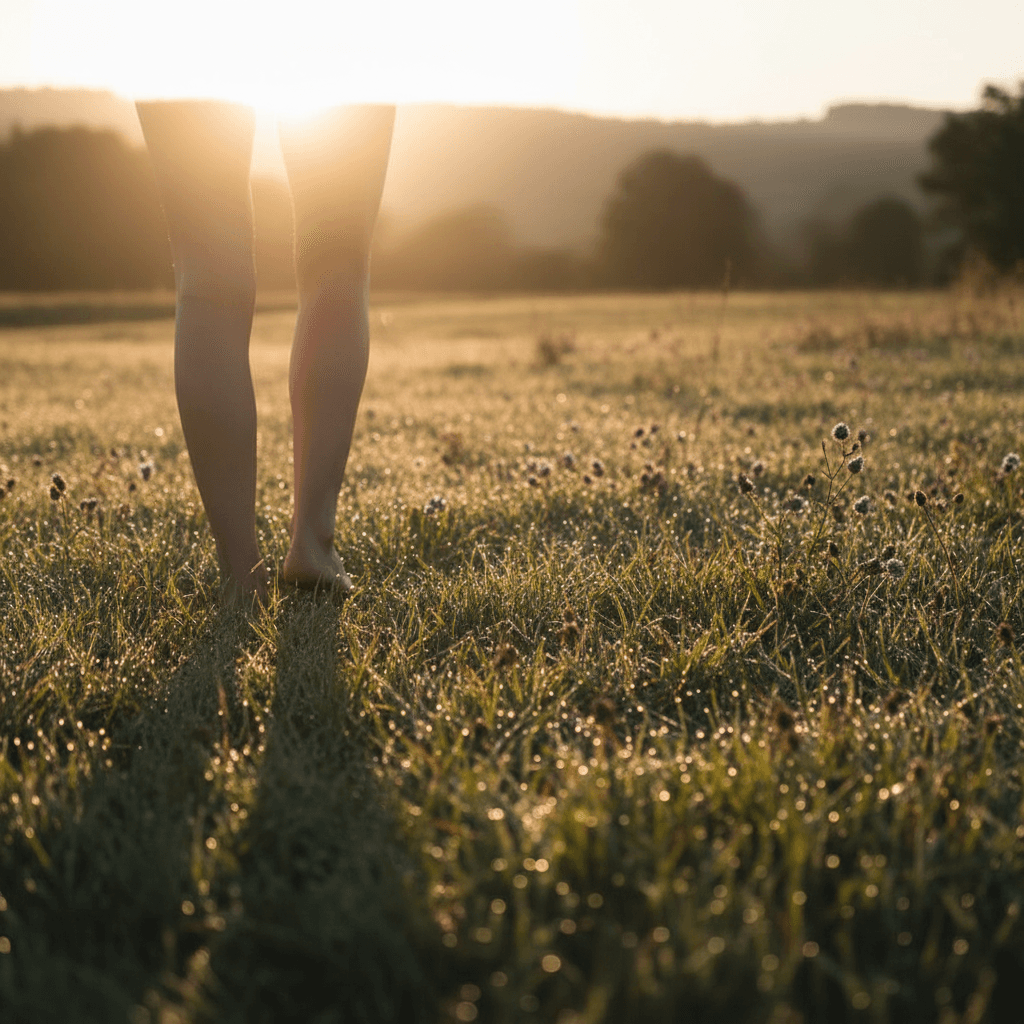
“Vitamin G” is a playful name for time around green space, not an actual vitamin or medical nutrient. Parks, gardens, trees, and other natural settings may support well-being by making movement, daylight exposure, social connection, and mental recovery easier. The evidence is encouraging, but it does not establish a required daily dose or prove that greenery treats disease.
The “G” is usually shorthand for green space. It is sometimes used for “grounding,” but those are different ideas: walking through a park has an evidence base tied to nature exposure and activity; electrically connecting the body to earth through a mat is a separate claim with much weaker clinical support.
What research says about green space
Large research reviews find associations between greater green-space exposure and outcomes including mental health, physical activity, sleep quality, and some cardiometabolic measures. However, much of the research is observational. People with access to greener neighborhoods may differ in income, pollution exposure, walkability, healthcare access, and other factors that also affect health.
A systematic umbrella review found supportive associations for several outcomes but noted methodological limitations across the underlying reviews. A more recent review of reviews similarly reported benefits in some areas, mixed results in others, and generally low-to-moderate methodological quality.
That supports a modest conclusion: green space is a useful setting for healthy behavior and may have benefits of its own, but it is not a dose-controlled medicine.
How nature time might help
1. It makes physical activity easier
A park, trail, shaded sidewalk, or garden can make walking and other movement more pleasant. Physical activity has well-established benefits. The CDC notes that activity can improve sleep, reduce short-term anxiety, and support long-term physical and brain health.
2. Daylight helps anchor the body clock
Outdoor light is usually much brighter than indoor light, even on cloudy days. Morning and daytime light help the circadian system distinguish day from night. A short morning walk can therefore combine movement, light exposure, and a regular wake schedule—three practical supports for sleep timing.
People with eye disease, light-sensitive conditions, or medicines that increase sun sensitivity should follow clinician advice. Outdoor light does not require staring at the sun.
3. Natural settings may support mental recovery
Green environments can provide a break from traffic, screens, work demands, and sustained directed attention. Some controlled studies find short-term improvements in mood or stress measures after nature exposure, but effects differ and the studies do not justify promises that a park visit treats anxiety or depression.
4. Green spaces can support social connection
Community gardens, walking groups, playgrounds, and local parks create low-cost places to meet. Social connection is not automatic—accessibility, safety, maintenance, and a sense of belonging all affect whether a space is genuinely usable.
5. Trees can change the local environment
Shade may reduce heat exposure and vegetation can affect noise and air quality. These effects depend heavily on location, species, season, traffic, and maintenance. High-pollen areas or smoke events may worsen symptoms for some people, so “more nature” is not universally better in every circumstance.
Is there a recommended dose of Vitamin G?
No public-health body has established a recommended daily allowance for green space. Studies use different definitions—nearby vegetation, park visits, forest walks, gardening, or total outdoor time—so a precise universal target would overstate the evidence.
A practical starting point is 10 to 20 minutes outside on most days, attached to a routine you already have. That is a behavior goal, not a medical dose. More time is reasonable when it is enjoyable, accessible, and safe.
Seven realistic ways to get more green time
- Take a morning walk on the greenest convenient route.
- Eat lunch outside near trees or a garden.
- Move one phone call from a desk to a park bench.
- Garden in a yard, balcony container, or community plot.
- Schedule a weekly walk with a friend.
- Use an accessible trail or paved park loop rather than waiting for a wilderness trip.
- Sit outdoors quietly if mobility, pain, weather, or energy limits activity.
The best plan is nearby and repeatable. A small neighborhood space used regularly is more valuable than an ambitious outing that never happens.
Can houseplants replace outdoor time?
Houseplants can make a room pleasant and provide a caregiving ritual, but they do not reproduce the outdoor light, movement opportunities, scale, or social setting of a park. Claims that a few plants meaningfully purify a typical home's air are also often exaggerated.
Use indoor plants because you enjoy them, while opening the door to safe outdoor time when possible.
Safety and access
- Check heat, cold, air-quality, pollen, and storm conditions.
- Use sunscreen, shade, protective clothing, and hydration as appropriate.
- Choose visible, maintained routes and tell someone about remote trips.
- Use tick and insect precautions relevant to the area.
- Respect mobility needs; paved paths, benches, and indoor conservatories still count.
- Do not walk barefoot where glass, sharp debris, parasites, or extreme temperatures are concerns.
Bottom line
Vitamin G is a memorable label for a sensible habit: spend some time in green space. The strongest case is not that nature acts like a pill, but that it creates a good setting for daylight, movement, recovery, and connection. Start small, make it regular, and avoid turning an enjoyable habit into an unsupported cure.
Found this helpful?
Get more sleep tips and product reviews delivered to your inbox.
Subscribe to 40 WinksRelated reading
How to Choose the Best Grounding Sheets for You
A comprehensive guide to grounding sheets — what to look for, how they work, and our top picks for every budget.
Grounding Mat Reviews: Do They Actually Work?
We tested the top grounding mats on the market. Here's what the science says and which ones are worth your money.
How to Test Your Earthing Sheet Is Actually Working
Don't just trust the marketing — here's how to verify your grounding sheet is properly connected and conducting.