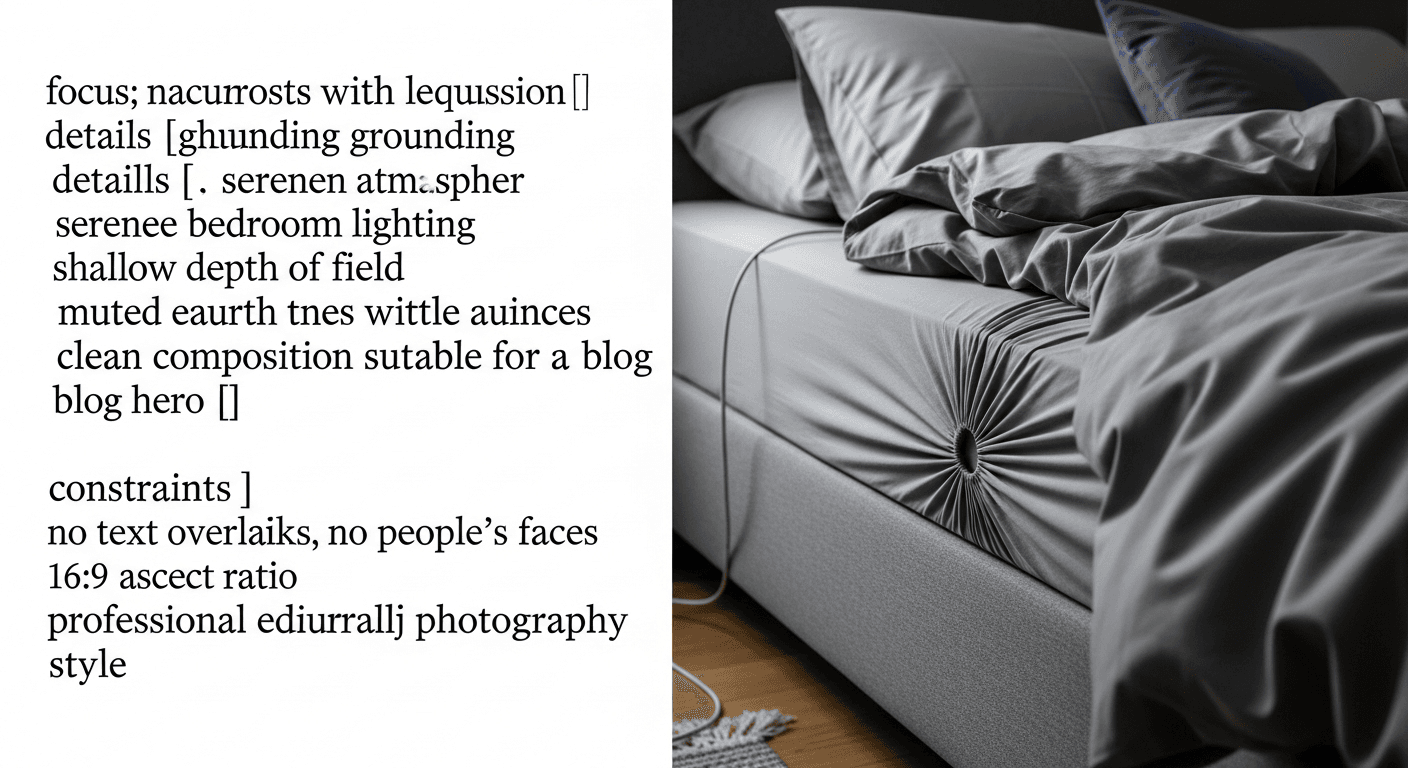
Most silver-thread grounding sheets should be machine-washed in warm water with a mild liquid detergent, then line-dried or tumble-dried on low. Avoid bleach, fabric softener, whitening or oxygen-boosting products, dryer sheets, strong oils, and dry cleaning. Those products can coat or damage the conductive fibers.
That is a reliable general rule, not a substitute for the care label. Conductive bedding varies: some products use silver-coated fibers, others use stainless steel, and solid carbon sleep mats should normally be wiped rather than machine-washed. Check the product manual before the first wash.
Why grounding sheets need different care
A normal cotton sheet can survive a wide range of detergents and temperatures because its only job is to remain comfortable and intact. A grounding sheet must also preserve a network of conductive fibers. Body oils, lotion, detergent residue, oxidizing chemicals, high heat, and mechanical damage can reduce that network's performance before the fabric itself looks worn out.
Regular washing is usually helpful because it removes perspiration and skin oils. Current product guidance from both Earthing and Groundology recommends warm washing and warns against bleach and fabric softener. Follow the instructions for your own sheet if they differ.
How to wash a grounding sheet
- Disconnect everything. Unsnap and remove the grounding cord, adapter, and any tester. Cords and outlet adapters do not go in the washing machine.
- Check the label. Confirm the permitted water temperature, cycle, detergent type, and drying method for the sheet's material.
- Inspect for damage. Look for torn fabric, pulled conductive threads, a loose connector, or scorching. Contact the manufacturer if the connection point is damaged.
- Use warm water. Many silver-fiber products specify about 105°F or 40°C. Do not assume hot sanitizing cycles are safe.
- Add a simple liquid detergent. Choose one without bleach, whitening agents, fabric softener, essential oils, or built-in stain boosters.
- Select a normal or gentle cycle. Avoid overloading the washer and keep items with hooks, open zippers, or rough fasteners out of the load.
- Dry gently. Line-drying is the conservative choice. If the label permits a dryer, use low heat and no dryer sheet.
Products to avoid
- Chlorine bleach: can damage or oxidize conductive fibers.
- Oxygen bleach and whitening detergent: may also react with silver-based material.
- Fabric softener: leaves a coating that can interfere with conductivity.
- Dryer sheets: deposit softening and fragrance compounds on fabric.
- Detergents containing oils: may leave residue on conductive threads.
- High heat: can shorten the life of fabric, elastic, coatings, and connection hardware.
- Dry cleaning: solvents and processes may not be compatible with the conductive material.
“Natural” does not automatically mean safe for the sheet. Lavender oil, coconut-derived conditioners, and fragranced plant-based softeners can still leave a film. Read the complete ingredient and feature list rather than relying on the front label.
How often should you wash it?
For nightly use, many manufacturers suggest every one or two weeks. Wash more frequently if you perspire heavily, use the sheet directly against skin, sleep with pets, or see visible soil. Washing less often is not necessarily protective because skin oils and lotion can accumulate on conductive fibers.
You can reduce buildup by showering before bed and avoiding body oils or heavy lotion immediately before contact. If you need a prescribed topical treatment, follow your clinician's directions; protecting a wellness product is never more important than necessary care.
What about stains?
Start with the mildest method allowed by the manufacturer. Promptly rinse or spot-clean with diluted compatible detergent and cool or warm water. Do not reach automatically for bleach, oxygen powder, or a strong stain-removal spray. A cosmetic stain is preferable to destroying the conductive fibers.
Silver-containing fabric may discolor with time. Color change alone does not prove that the sheet has stopped conducting, just as a clean appearance does not prove it still works.
How to tell whether the sheet still works
After it is completely dry, reconnect it and use the maker's conductivity tester. Fabric often needs moisture for a reliable test. Current Earthing tester instructions say to place a drop of water on a standard sheet before testing through the fabric, which imitates normal body moisture.
If the sheet fails:
- Confirm that the tested outlet still shows the correct grounded pattern.
- Reseat the cord and snap.
- Repeat the test exactly as the product instructions specify.
- Test the cord or another compatible product if the system supports that procedure.
- Contact the manufacturer before replacing parts or continuing use.
For additional methods, see how to test an earthing sheet and our multimeter guide.
Carbon sleep mats are different
Do not put a solid carbon or polyurethane mat in the washing machine unless its manual explicitly says to. Most should be disconnected, wiped with mild soap and a damp cloth, wiped again to remove residue, and air-dried flat. The Earthing FAQ, for example, says its carbon mats should never go in a washer or dryer.
Bottom line
Disconnect the cord, use warm water and a plain liquid detergent, skip additives, and dry gently. Regular, careful cleaning removes the body oils that can reduce conductivity while avoiding chemicals that damage or coat the conductive fibers.
Found this helpful?
Get more sleep tips and product reviews delivered to your inbox.
Subscribe to 40 WinksRelated reading
How to Choose the Best Grounding Sheets for You
A comprehensive guide to grounding sheets — what to look for, how they work, and our top picks for every budget.
Grounding Mat Reviews: Do They Actually Work?
We tested the top grounding mats on the market. Here's what the science says and which ones are worth your money.
How to Test Your Earthing Sheet Is Actually Working
Don't just trust the marketing — here's how to verify your grounding sheet is properly connected and conducting.