
Some grounding sleep mats can work under one thin fitted sheet, while others require direct skin contact. The correct answer depends on the product, the sheet material and thickness, moisture, and the manufacturer's instructions. Bare skin normally provides the fastest and most reliable electrical contact.
The old blanket rule that a grounding mat never works through a sheet is too absolute. So is the opposite claim that any mat works under any bedding. Here is how to set up and test your actual combination.
Why a sheet changes conductivity
Ordinary dry fabric is a relatively poor conductor. Direct skin contact gives the mat a simpler conductive path. When a thin sheet sits between you and the mat, normal perspiration can add enough moisture for some materials and systems to conduct gradually.
Current Earthing sleep-mat directions say its mats provide immediate contact against bare skin and can also be placed under one thin sheet. The company recommends cotton or bamboo, says partially synthetic material may take longer, and warns that fully synthetic material can block the connection. That guidance applies to its products, not automatically to every brand.
Best bedding for an under-sheet setup
If the manufacturer allows a fabric layer, start with:
- one thin fitted sheet rather than several layers;
- cotton, bamboo, linen, or another material approved in the manual;
- minimal sleepwear over the part of your body above the mat;
- a clean mat and sheet without fabric-softener, lotion, or oil residue;
- a placement that keeps the connector away from pressure and the cable away from traffic.
Thick mattress protectors, waterproof membranes, electric blankets, padded toppers, fleece, and multiple layers create a much less reliable path. Fully synthetic sheets may block it entirely. Do not place an electric blanket or powered heating pad into the setup unless both manufacturers expressly say the combination is safe.
Where should the mat go?
Place the mat flat on top of the mattress or approved mattress protector, with its conductive side facing upward. Put the fitted sheet over it. Position the mat where a consistent area of your body—often the torso, legs, or feet—will rest above it.
Avoid folds and sharp creases. Keep the snap and cord away from your spine and away from adjustable-bed joints. Secure the cord so it cannot wrap around a person, catch a pet, or become a trip hazard.
If you are uncertain about the surfaces, read which side of a grounding mat faces up.
How to test through a fitted sheet
Do not assume that because a cord is connected, the complete setup is conductive. Check it:
- Test the outlet using the checker supplied or specified by the mat manufacturer.
- Connect the approved safety adapter and cord.
- Test the uncovered conductive surface first.
- Place the fitted sheet over the mat.
- Follow the product tester's through-fabric method. Some instructions call for one drop of water to imitate body moisture.
- If it fails, retest the bare mat and cord, then try direct skin contact or a thinner approved sheet.
Earthing's current product-tester instructions specifically describe testing through one layer of fabric with a small wet spot. A green result indicates conductivity at that test point; it does not establish that the mat produces a medical benefit.
Can you wear pajamas too?
Every added layer makes the path less predictable. If the mat is already under a fitted sheet, thick or fully synthetic pajamas over the same contact area may prevent conductivity. Direct contact with a hand, calf, or foot is easier to verify.
If you prefer full sleepwear, consider a conductive sheet designed to be the sleeping surface rather than hiding a small mat under multiple layers. Compare options in our grounding-sheet guide.
Safety checks before bed
- Use only an outlet that gives the correct grounded result for your tester.
- Use only the approved cord and adapter; never improvise a connection.
- Stop using equipment with cuts, crushed insulation, loose snaps, heat, odor, or discoloration suggesting damage.
- Keep cables away from a child's sleeping space and from anyone at risk of entanglement.
- Do not route the cord where an adjustable frame can pinch it.
- Ask the manufacturer before combining the mat with powered bedding or medical electrical equipment.
OSHA's grounding-conductor guidance explains why continuity and correct terminal connections matter. Consumer testers are useful screening tools, but suspected household wiring faults belong with a qualified electrician.
Will sleeping on a grounding mat improve sleep?
People report many experiences, but testimonials cannot establish that grounding treats insomnia or improves sleep quality. Studies in this area are generally small and not independently replicated enough to support broad medical claims. The FTC says health-benefit claims require competent and reliable scientific evidence.
If poor sleep is persistent, address established causes and treatments rather than relying on a mat. Loud snoring, gasping, breathing pauses, severe daytime sleepiness, or chronic insomnia should be discussed with a clinician.
Troubleshooting an under-sheet setup
If the product tests correctly uncovered but not through the sheet, the likely problem is the barrier rather than the outlet. Remove extra layers, wash out fabric-softener residue, try a thinner natural-fiber sheet, and repeat the approved test. If the bare mat also fails, work through our grounding-mat troubleshooting guide.
Bottom line
You can use certain grounding mats under one thin fitted sheet when the manufacturer permits it and the completed setup passes the specified conductivity test. Direct skin contact remains simpler and more reliable. Treat the manual and test result—not a universal internet rule—as the deciding evidence.
Found this helpful?
Get more sleep tips and product reviews delivered to your inbox.
Subscribe to 40 WinksRelated reading
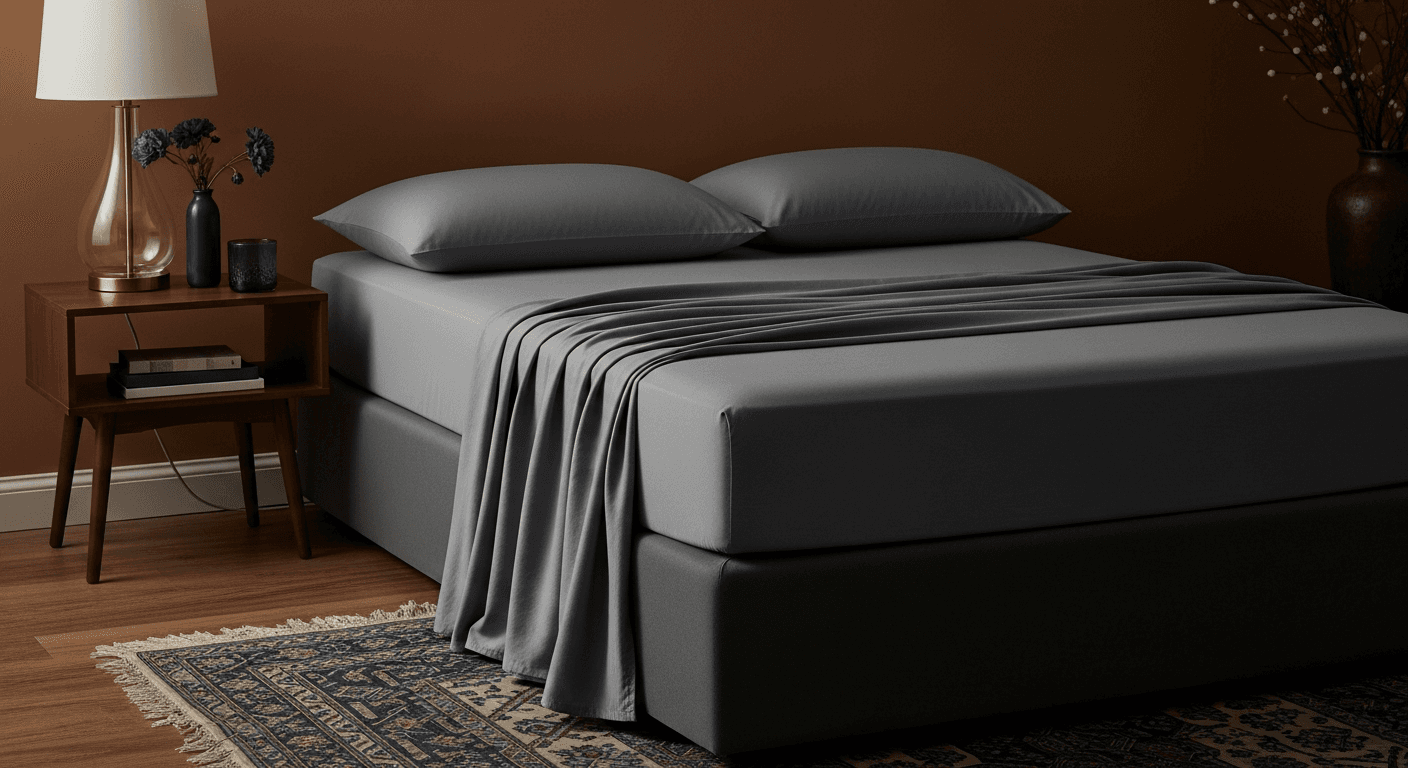
How to Choose the Best Grounding Sheets for You
A comprehensive guide to grounding sheets — what to look for, how they work, and our top picks for every budget.
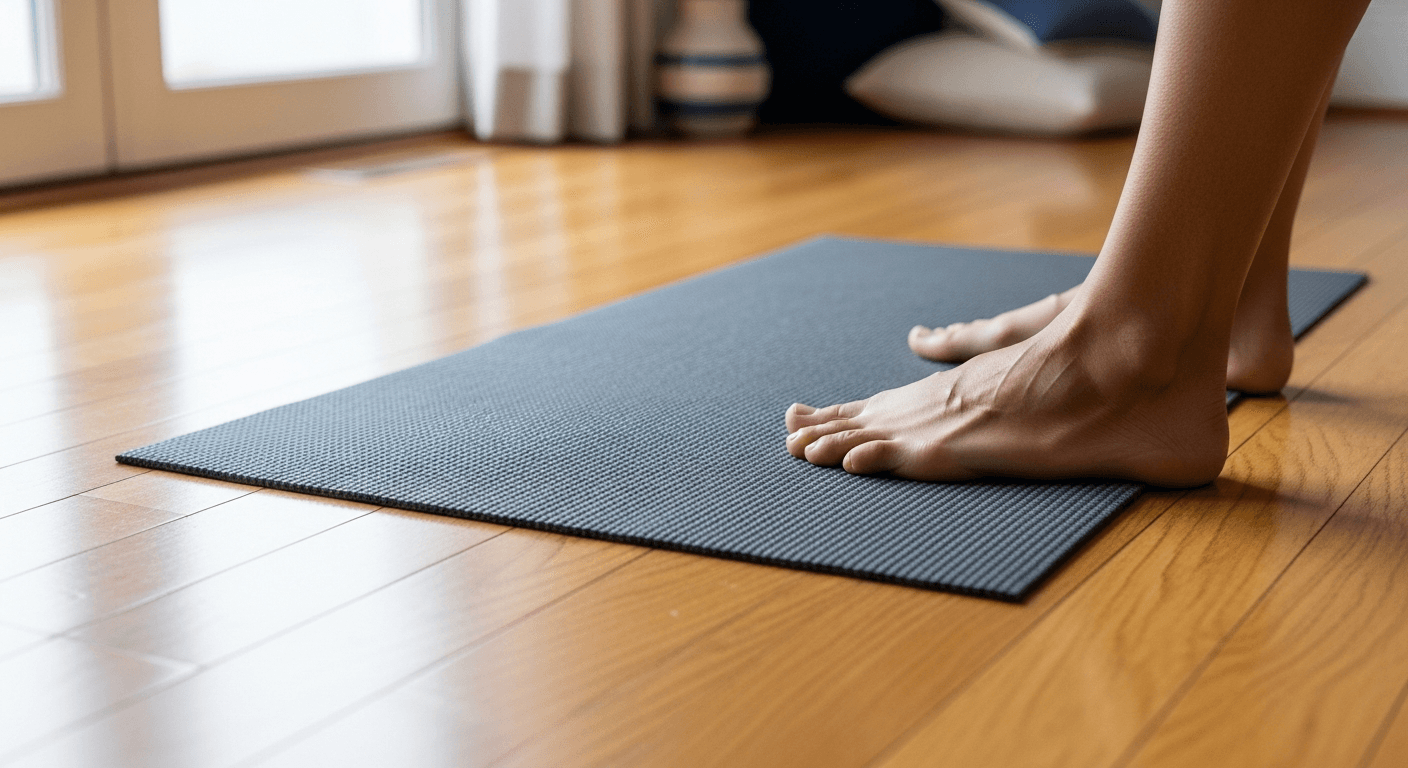
Grounding Mat Reviews: Do They Actually Work?
We tested the top grounding mats on the market. Here's what the science says and which ones are worth your money.
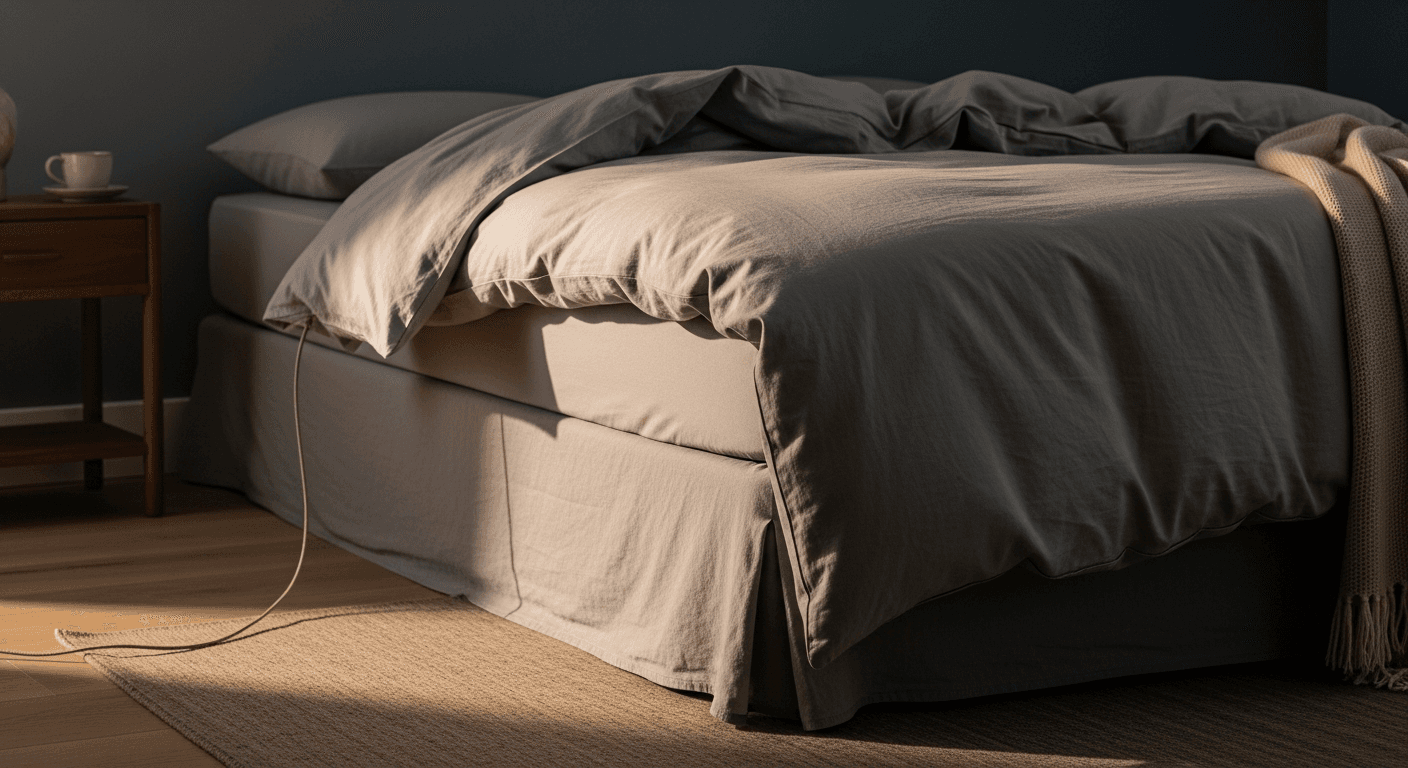
How to Test Your Earthing Sheet Is Actually Working
Don't just trust the marketing — here's how to verify your grounding sheet is properly connected and conducting.