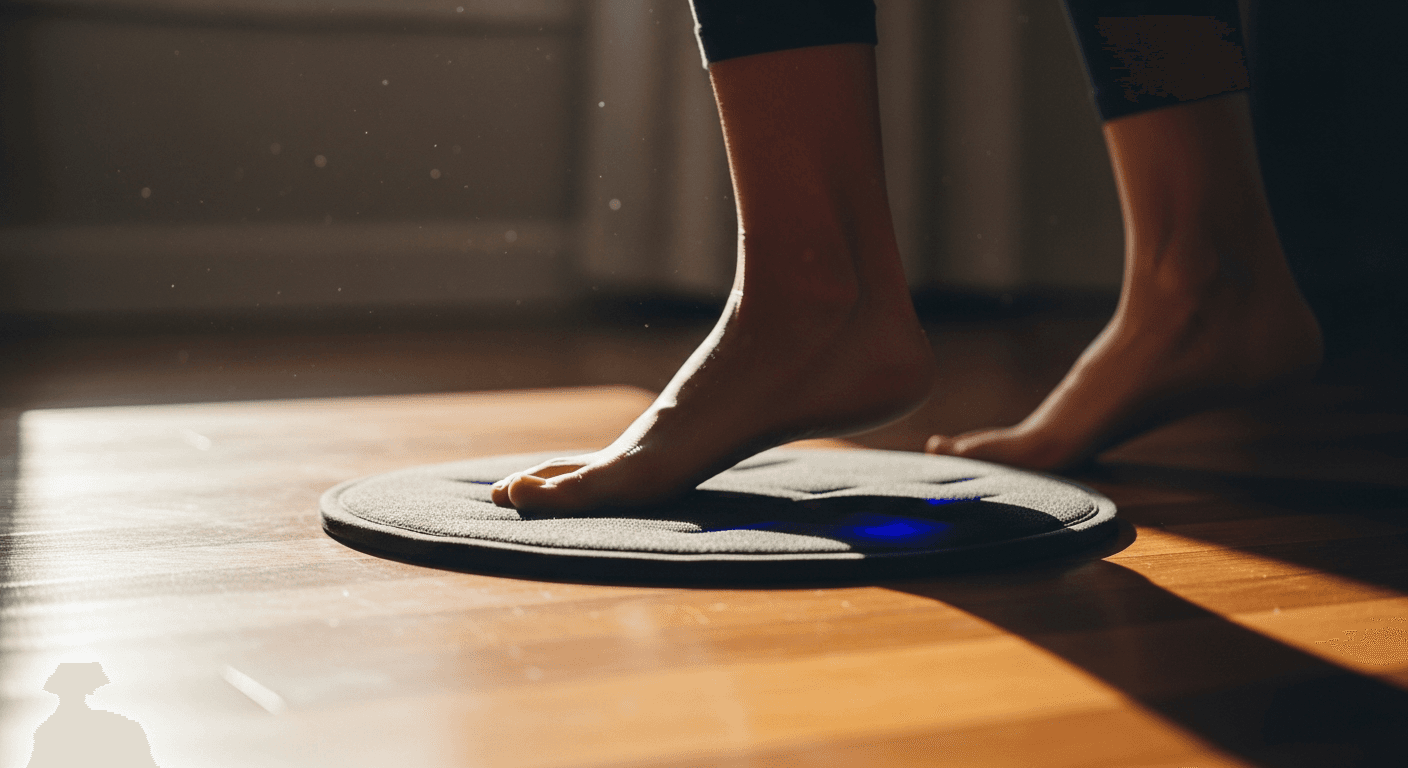
Grounding foot pads are adhesive conductive patches connected by a cord to a verified ground. They provide direct skin contact in a small, portable format. They are not detox foot pads, do not draw toxins from the body, and have not been proven to treat pain, neuropathy, inflammation, poor circulation, or other medical conditions.
The useful questions are whether the patch maintains safe electrical contact, whether your skin tolerates the adhesive, and whether the kit includes compatible tested components.
Grounding patches versus detox foot pads
These products are often confused:
- Grounding patches contain a conductive gel or surface, a snap connector, and a cord leading to electrical ground.
- Detox foot pads are adhesive packets worn overnight and marketed with claims that discoloration shows removed toxins.
A grounding patch should not change color because it removed toxins. Sweating, moisture, and ingredient reactions can explain color changes in ordinary foot pads; they are not evidence of detoxification.
How grounding foot patches work electrically
The patch creates direct skin contact with a conductive gel or insert. Its cord connects to a current-limiting safety adapter in a correctly grounded outlet, or to a manufacturer-approved ground rod. This creates a measurable electrical path.
It does not establish targeted electron delivery to a painful joint or organ. Current seller instructions may recommend body locations, but location-specific medical benefits require product-matched clinical evidence.
How to use them
- Read the patch, cord, adapter, and outlet-checker instructions.
- Inspect every component and do not use damaged insulation or connectors.
- Test the intended outlet. If it does not show the correct grounded result, stop.
- Wash and completely dry the skin. Do not apply over lotion or oil.
- Apply the patch to intact skin where walking or pressure will not dislodge it.
- Connect the approved cord to the patch and safety adapter.
- Route the cord so it cannot trip, wrap around the body, or catch on furniture.
- Remove the patch for redness, itching, blistering, pain, numbness, or swelling.
Current Earthing patch directions specify clean, dry skin, an outlet test, a safety adapter, and a compatible coil cord. Follow your product's instructions if they differ.
Where should a foot patch go?
The arch avoids some direct pressure compared with the heel or ball of the foot, but placement should prioritize intact skin, comfort, adhesion, and cable safety. Do not apply over a blister, cut, rash, ulcer, infection, surgical site, or area with reduced sensation.
People with diabetes, peripheral neuropathy, vascular disease, fragile skin, adhesive allergy, or a history of foot ulcers should ask a clinician before placing adhesive patches on the feet. Small skin injuries can become serious when sensation or circulation is impaired.
How long can a patch stay on?
Use the manufacturer's maximum wear time and replace single-use patches as directed. Adhesive that still sticks may not mean the conductive gel remains clean, centered, or effective. Longer wear increases moisture, friction, and irritation risk.
One manufacturer's FAQ recommends no more than two to three days and moving a replacement to a slightly different spot. That is not universal permission for prolonged wear; some products are intended for one session only.
Are foot patches more effective than mats?
Direct adhesive contact can be easy to verify and maintain, but there is no strong evidence that a small foot patch produces greater health benefit than a conductive mat, sheet, or blanket. The best format depends on skin tolerance, movement, comfort, reusable cost, and cable management.
A desk mat may be simpler for daily foot contact without adhesives. A sleep mat offers a larger reusable area. Patches are portable but create recurring cost and waste.
They also require more attention to skin hygiene and placement than a reusable surface. If adhesive irritation develops repeatedly, discontinue patches rather than cycling through stronger adhesives or covering damaged skin.
What to look for when buying
- full ingredient and material disclosure;
- latex and adhesive-allergy information;
- compatible current-limiting cord and safety adapter;
- outlet tester and clear light-pattern instructions;
- sealed packaging and expiration or storage guidance;
- maximum wear time and single-use policy;
- responsive manufacturer and replacement parts;
- no detox, disease-treatment, or targeted-healing promises.
Evidence and expectations
The physical ground connection can be measured. The FTC says objective health claims require reliable human evidence and that testimonials do not prove a product caused an improvement. A tingling feeling, color change, or personal story is not proof that a patch treats illness.
Bottom line
Grounding foot pads are small adhesive grounding contacts, not detox products or medical treatments. Verify the outlet and components, protect the skin, manage the cord, and choose them for portability—not unsupported promises of targeted healing.
Found this helpful?
Get more sleep tips and product reviews delivered to your inbox.
Subscribe to 40 WinksRelated reading
How to Choose the Best Grounding Sheets for You
A comprehensive guide to grounding sheets — what to look for, how they work, and our top picks for every budget.

Grounding Mat Reviews: Do They Actually Work?
We tested the top grounding mats on the market. Here's what the science says and which ones are worth your money.

How to Test Your Earthing Sheet Is Actually Working
Don't just trust the marketing — here's how to verify your grounding sheet is properly connected and conducting.